What the work involves
Most calls start with a hole, a crack that keeps coming back, or a ceiling stain from an old leak. We cut the damaged section back to solid material, install backing so the patch has something to hold to, then board, tape and mud it in three coats with sanding between coats. The result is a Level 4, paint-ready finish — smooth enough for paint but not primed or painted as part of the repair.
For larger jobs we hang new drywall from scratch: framing out an opening, boarding a full wall or ceiling, taping the seams and finishing to the same Level 4 standard. That's the same process whether it's a closet wall or a full room.
Plaster or drywall: what we're actually repairing
Wall material changes how we approach a repair. Plaster is denser than drywall and holds to lath instead of studs, so a damaged plaster area sometimes gets skim-coated to blend with the surrounding surface instead of being cut out entirely. When a plaster section is too far gone to save, we cut it back and rebuild that section in board, backed so it doesn't move differently from the plaster around it.
At the estimate we can tell you what's behind the wall where the damage shows and price that. Once we open it up, there's sometimes more soft material, old water damage, or failing lath than expected. When that happens, we price the additional area as additional patches rather than guessing upfront.
How we price it
Drywall repair starts at $375 for the first wall patch, with each additional patch at $125. Ceiling patches run two times the wall price — priced per patch, not by the room or the visit.
New drywall installation — hung, taped and mudded to a Level 4 finish — is $2.50 per square foot of wall surface, with ceilings at two times the wall rate. A full standard room, about 16 sheets of board, is $1,600.
Cutting the damaged section back to solid material is part of the patch price. If a repair needs full demo of a wall, a skim coat over a larger surface, or garage or basement type-X board, those get quoted as their own lines because they go beyond a standard patch. The estimate is free and on-site, and it comes back as a line-item quote.
What's included, what's quoted separately
We supply all materials — board, tape, joint compound, primer if needed, hardware, everything — and they show up as their own lines on the quote. You approve paint color and sheen; we bring the rest.
Repainting the repaired wall is always quoted as its own line, which is what guarantees the blend — the whole wall gets the same color and sheen instead of just the patch.
We protect floors and nearby furniture before we start cutting or sanding, and we clean up dust and debris when the patch is finished.
Timing and living through the work
Between boarding, taping, and three coats of mud, we're usually back two to three times so each coat has time to dry before the next goes on.
If a leak is still active or a crack keeps reappearing after being patched, that usually means whatever is causing it hasn't been resolved. Patching over an active leak or unresolved movement won't hold, so we'll flag that at the estimate if we see signs of it.
We send a certificate of insurance with every quote — if your co-op or condo board asks for one before work starts, you already have it. We aim to respond to new requests within 30 minutes.
Why a licensed, local contractor matters here
We hold a Westchester County Home Improvement Contractor license (WC-40688-H26) and carry insurance on every job, drywall included.
Every repair carries a one-year workmanship warranty, and the quote itemizes materials so there's no guessing what you're paying for before we start.
- First patch (walls)
- $375
- Each additional patch
- $125
- Ceiling patches
- 2× the wall price
- New install (hang + tape + mud)
- $2.50 / sq ft of wall surface
- Ceilings (new install)
- 2× the wall rate
- Full standard room (~16 sheets of board)
- $1,600
Labor rates. Materials we supply are their own lines on the quote, and the exact number comes with the free on-site estimate. See all published rates.
Recent projects in Rye
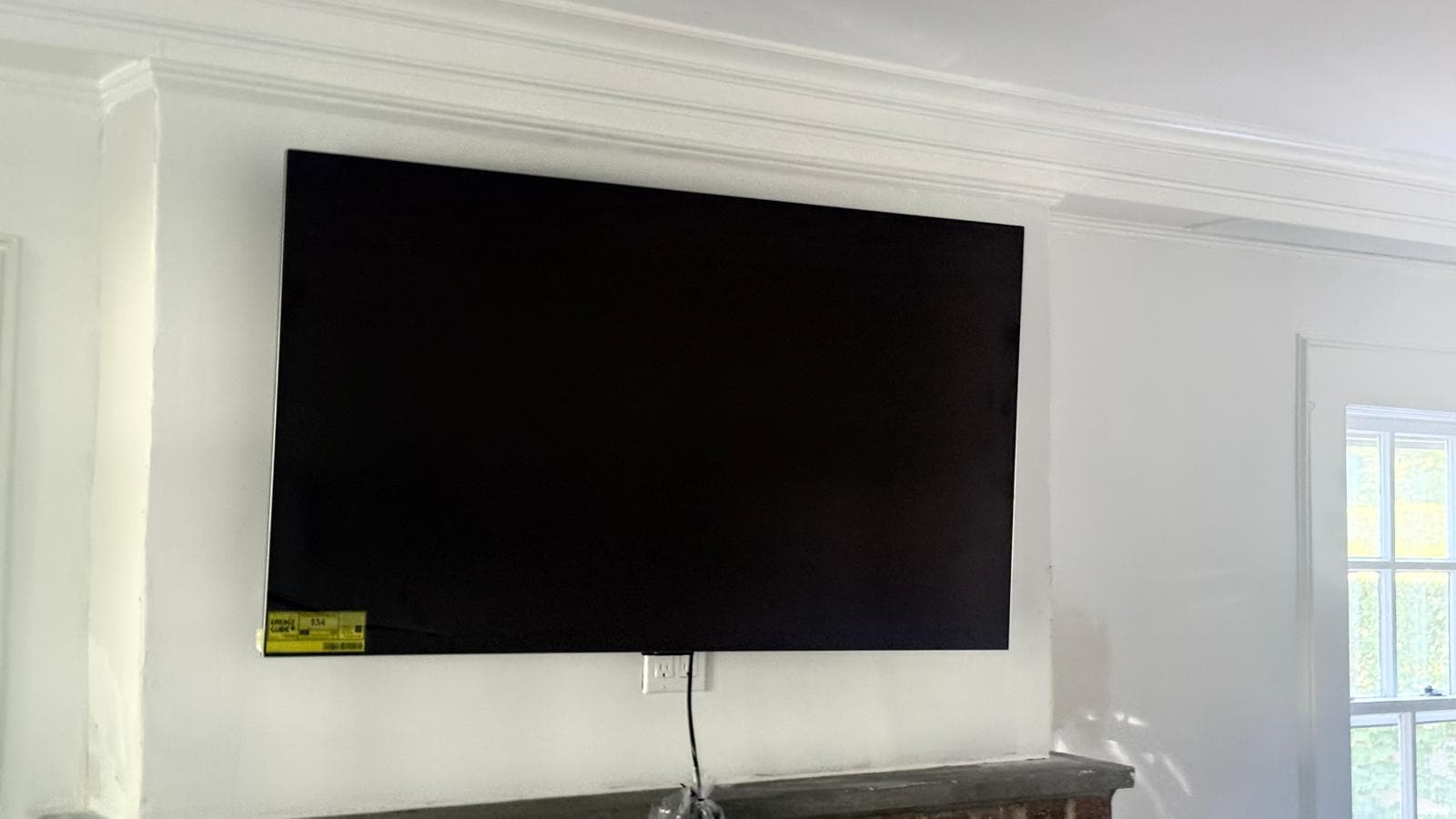
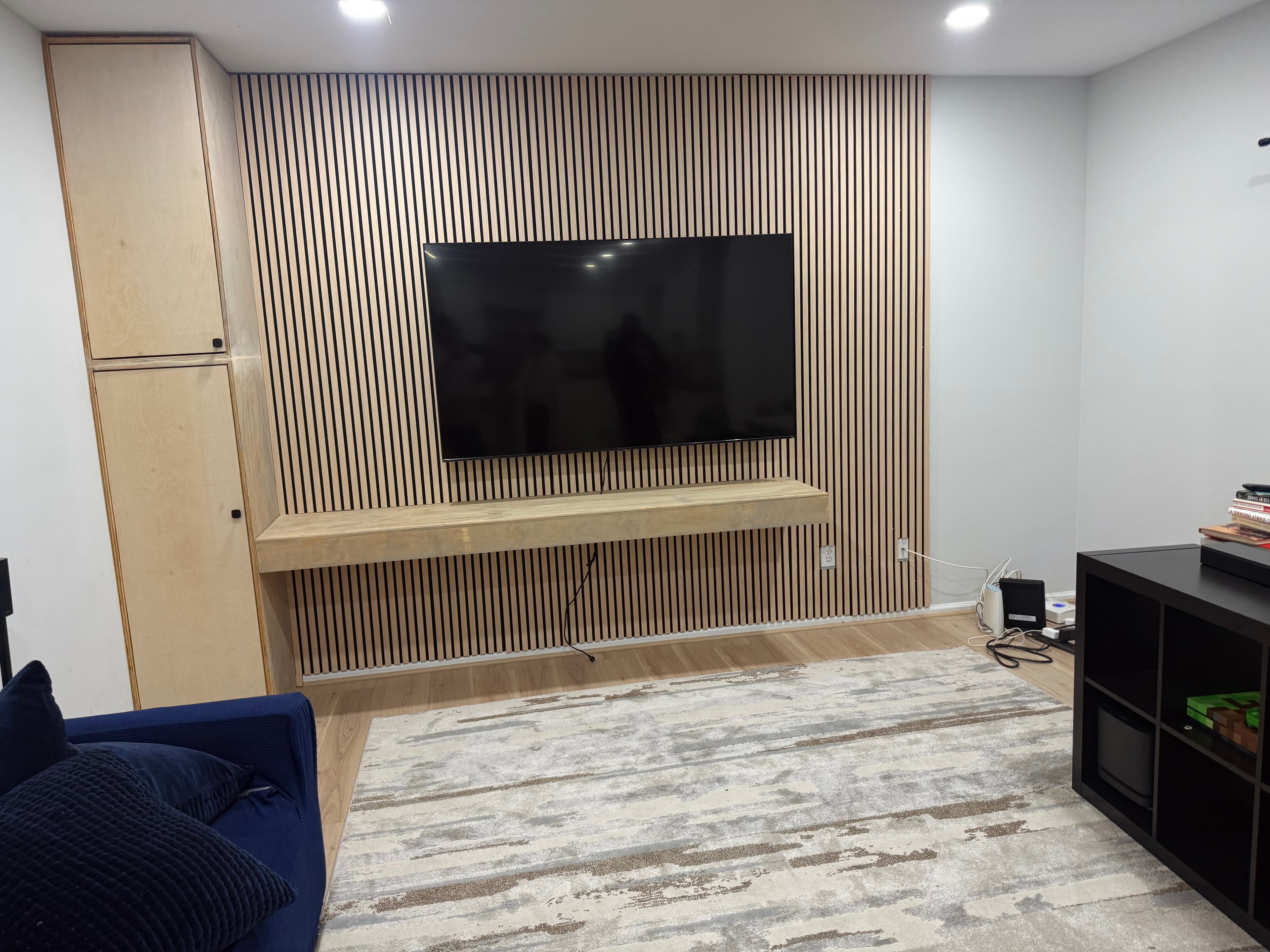
Drywall Repair in Rye: questions we get
What if you find more damage once the wall is open?
We price the additional area as additional patches — $125 per additional wall patch, or two times the wall price for ceiling patches — rather than estimating blind before we've opened it up.
How is plaster repaired differently from drywall?
Some plaster damage gets skim-coated to blend with the surrounding surface; if the section is too damaged to save, we cut it back and rebuild it in board, backed so it moves consistently with the plaster around it.
What happens if a crack or stain keeps coming back?
That usually points to an active leak or unresolved movement behind the wall. Patching over it won't hold, so we'll point that out at the estimate if we see signs of it.
What's included in the patch price versus quoted separately?
Cutting the damaged area back to solid material, backing, boarding, taping and the three-coat finish are part of the patch price. Full demo, a skim coat over a larger wall, and garage or basement type-X board are quoted as their own lines.
Does my co-op or condo need anything from you before work starts?
If your building asks for a certificate of insurance, we send ours ahead of the visit.
How long does a full room take to finish?
It follows the same multi-coat, multi-visit process as a patch, spread across the time each coat needs to dry — we'll lay out the specific schedule at the estimate.